 Street Style
Let Your Socks Be the Interesting Part
By Andrea Hills
Sometimes the outfit is fine and the styling is asleep.
 WORDS BYSara TillaOctober 21, 2026
Sometimes the outfit is fine and the styling is asleep. The clothes fit, the colours work and nothing needs replacing, yet the result feels flatter than you expected. Before opening a shopping tab, change one small relationship: where the belt sits, how much cuff shows, whether the bag is carried close to the body or whether the shirt is buttoned all the way up. A minor adjustment can make familiar pieces read differently.
Who What Wear's autumn microtrend coverage includes details such as statement buckles and decorative embroidery. Those observations are useful prompts, but a microtrend does not have to become another thing to buy. Our interest is the scale of the change. What can you do with an outfit in five minutes that makes it feel more deliberate, while leaving its comfort and usefulness intact?
Stand back from the mirror and describe the outfit in ordinary language. Perhaps everything is loose, everything ends at the same height or every visible surface is equally plain. None of those qualities is automatically wrong. Naming them simply helps you choose an adjustment with a purpose. If the outfit already feels good, leave it alone. Styling should solve a problem you can identify, not create work for its own sake.
Pick one area to change first. The waist, neckline, wrist and ankle are useful places because small differences there can alter the outline of the whole look. Do not change all four at once. If you do, you will not know which adjustment helped. Treat the process like moving one object in a room: pause, look again and decide whether the arrangement now makes more sense.
A belt can define a meeting point between garments, but it does not have to cinch everything tightly. Try it with trousers first, then consider whether it adds anything over a loose shirt or knit. The thickness of the belt and the scale of the buckle matter. A broad buckle can become the focal point of an otherwise plain outfit, while a narrow belt may simply tidy the transition between top and bottom.
Check what happens when you sit. A belt that looks good standing may press awkwardly or pull fabric into a bunch. If the belt is unnecessary for fit, you have permission to remove it. You can also create definition with a partial tuck or a shorter layer. The goal is a clear shape you enjoy, not a waist that has been visibly managed at every possible opportunity.
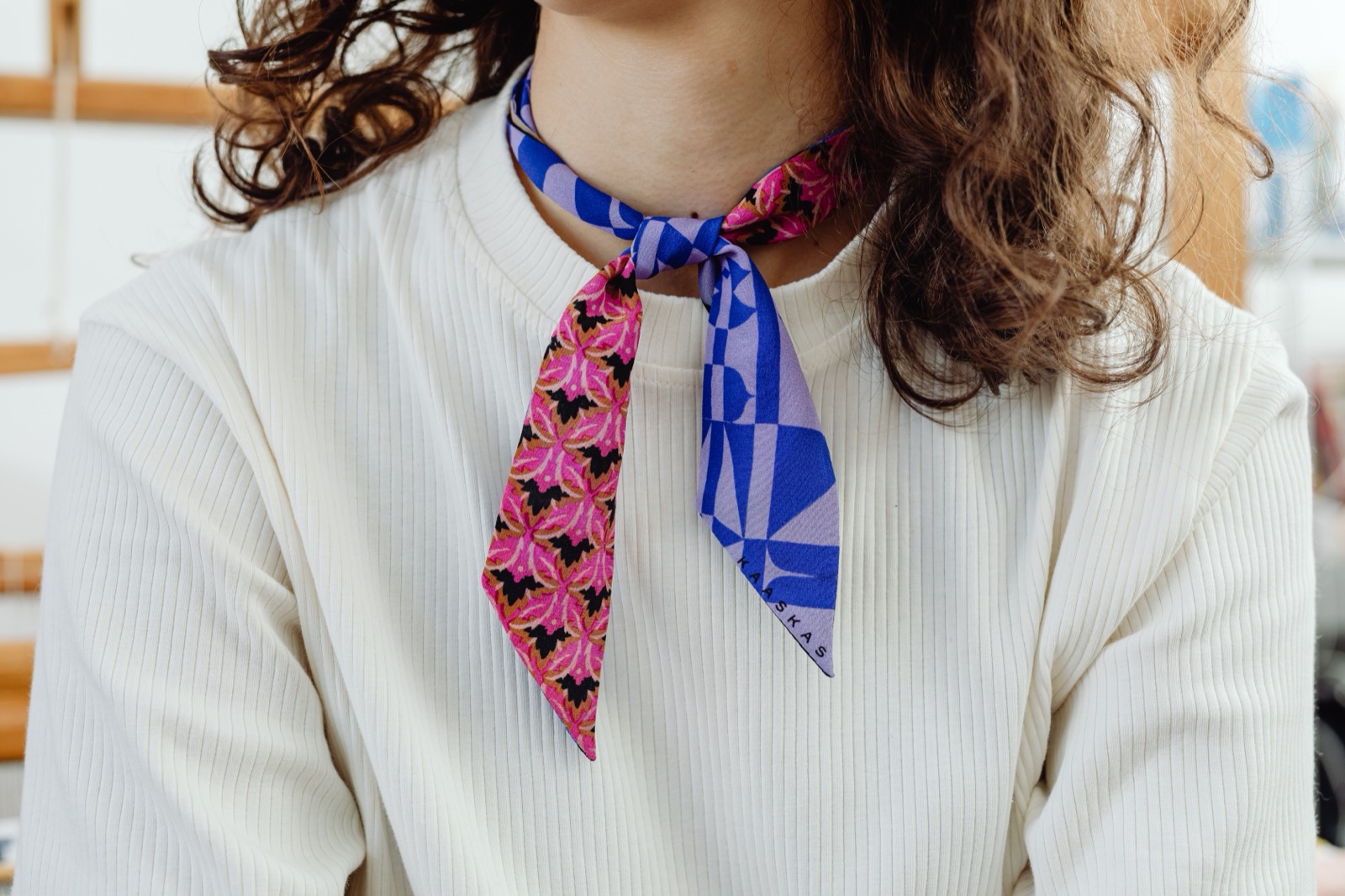
A shirt offers several different frames for the face. Buttoned high, it creates a more enclosed shape; opened slightly, it gives the outfit breathing room. A visible T-shirt underneath introduces another line. Try those options before adding jewellery. You may discover that the adjustment you wanted was already built into the garment and that a necklace would only compete with it.
If you do add jewellery, choose its relationship to the opening. A small pendant may sit neatly within an open collar. A larger earring can draw attention upward while leaving the chest area quiet. You do not need both to make the outfit feel finished. Think about what will remain comfortable when you add a scarf, coat or headphones, because those objects are part of the day's styling too.
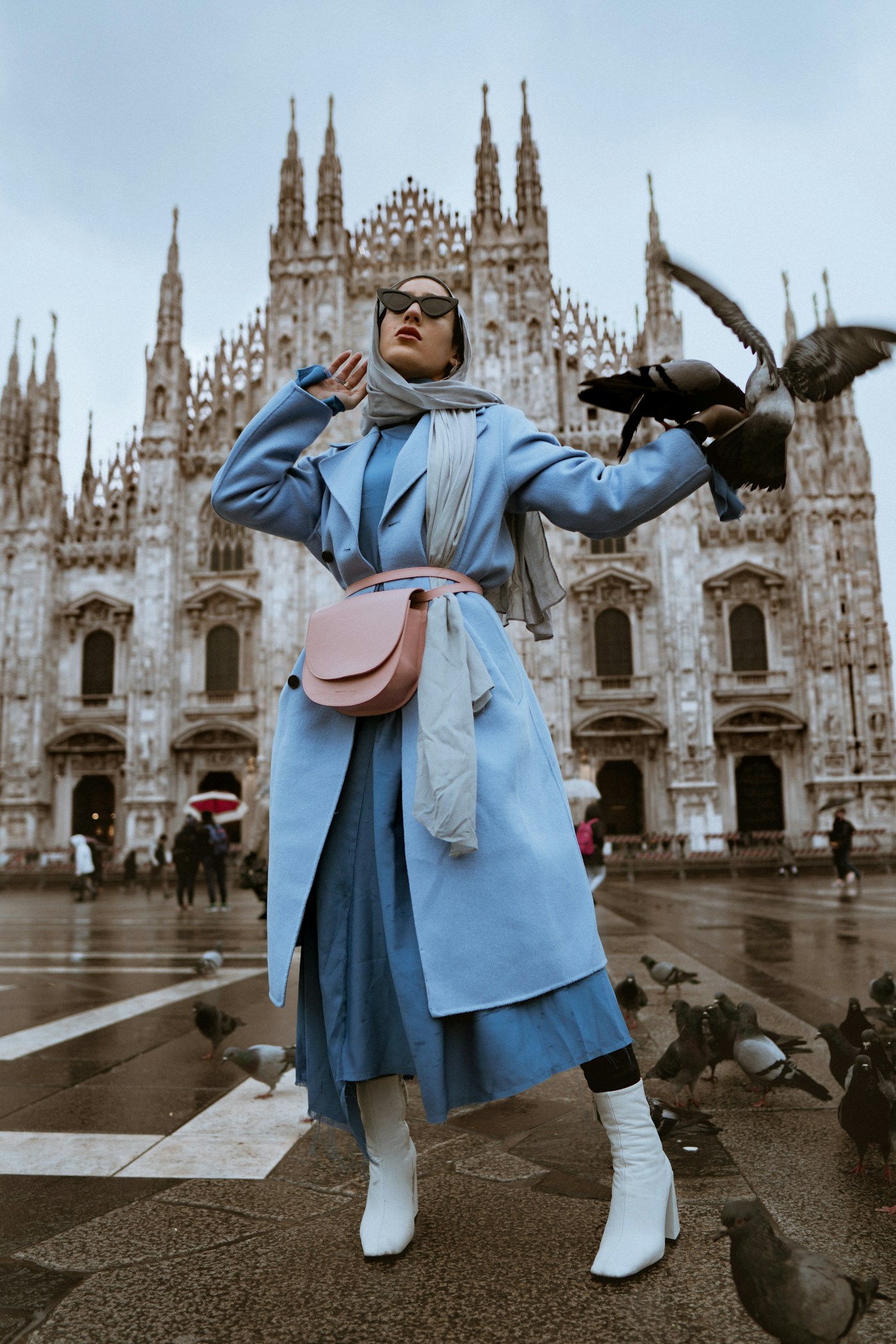
A cuff can change the balance of a jacket or sweater by revealing a little of the layer beneath it. Pulling a shirt cuff slightly beyond a jacket sleeve gives the eye a deliberate edge. Rolling a sleeve can make a formal shirt feel more relaxed. Keep the fold secure enough that you are not rebuilding it throughout the day. An adjustment that requires constant attention rarely earns its place in a useful outfit.
Look at the fabric before rolling. A crisp shirt holds a different fold from a soft, fluid blouse. A thick knit may become bulky if pushed high on the forearm. Sometimes leaving the sleeve alone is the best decision and changing the outer layer is more effective. Styling is not a set of compulsory gestures. A visible wrist is an option, not proof that an outfit has been correctly assembled.
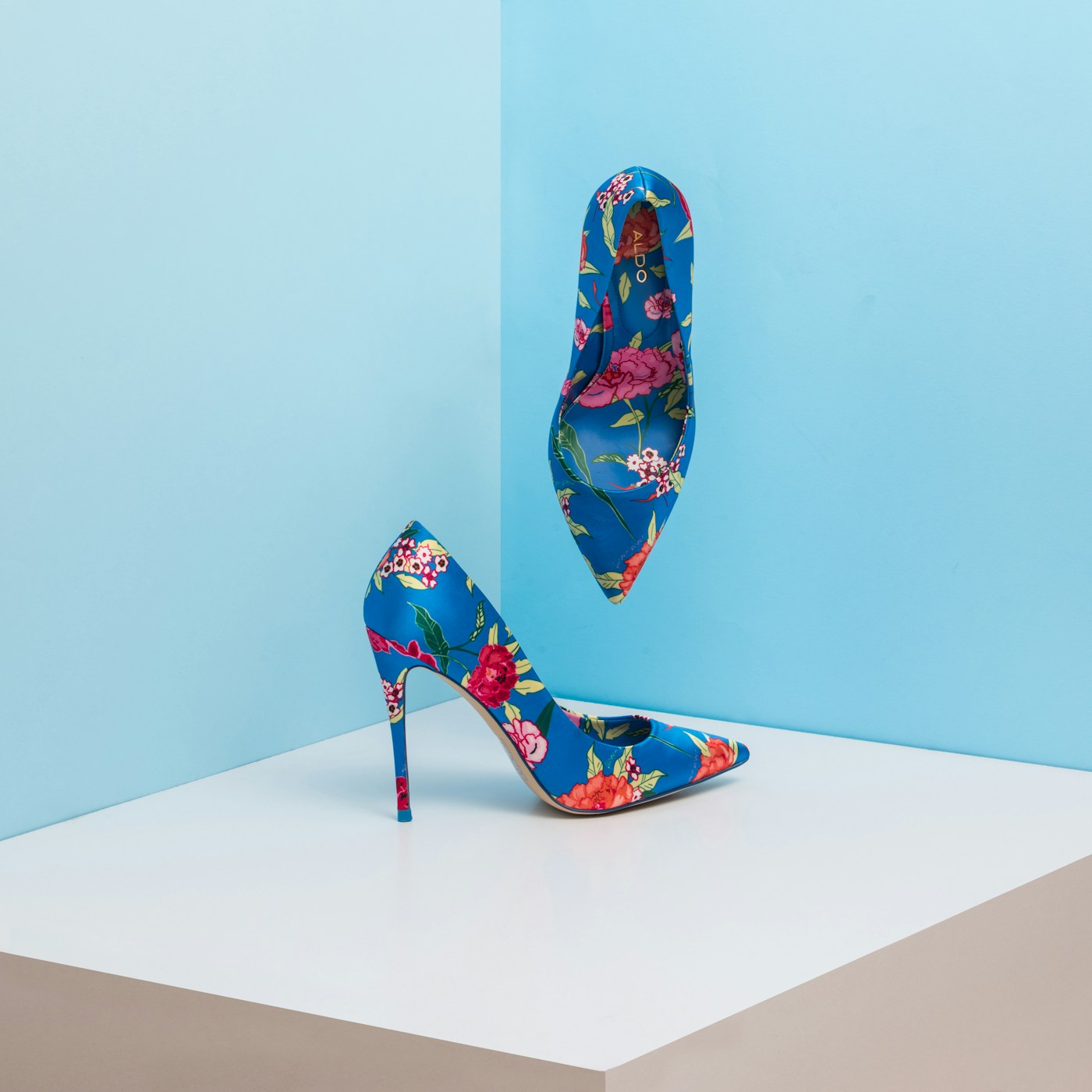
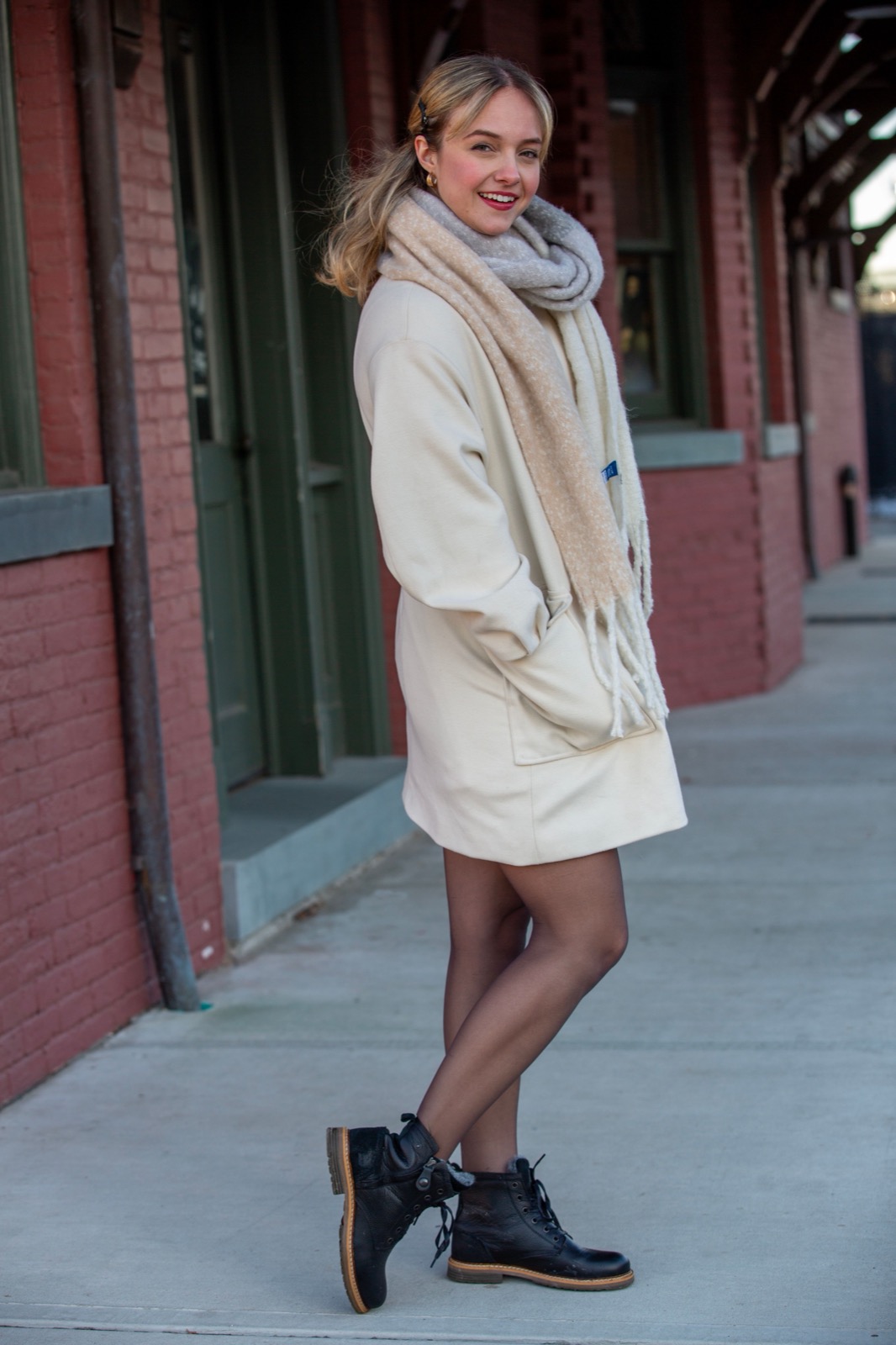
Texture can create interest without adding a new colour. A smooth bag beside a fuzzy knit, a polished buckle against denim or a woven scarf over a plain coat gives the eye something to notice. You may already own the contrast you need. Lay out the accessories before choosing another garment and see whether one of them changes the outfit's mood enough.
Avoid confusing texture with fragility. If the detail catches on your clothes, scratches a surface or makes the outfit harder to use, choose something else. An expressive accessory should fit the day you have planned. Decorative pieces can be wonderful, but they are not useful merely because they photograph well. Give the interesting object a practical role and it is more likely to become part of your style rather than a temporary arrangement for a mirror.
The same bag can look different carried in the hand, on the shoulder or across the body, where its design allows. A shorter strap can place it closer to the waist; a longer one can create a diagonal through a simple outfit. Check that the position feels comfortable and leaves your hands free when you need them. The most visually appealing strap length may not be the one you want for a long walk.
Consider the bag's scale beside the rest of the clothes. A very small bag with expansive outerwear creates contrast, but it also needs to hold what you require. A large tote may make more sense and can become part of the intended silhouette. There is no point pretending the practical bag does not exist. Style the actual object you will carry instead of finishing an imaginary outfit and adding reality at the last minute.
After making a change, remove one detail and see whether the outfit improves. Take off the second necklace, undo the extra scarf or switch to a simpler shoe. This is not a return to minimalism as a rule. It is a way to discover which element is doing the useful work. An outfit can be richly layered and still benefit from one clear focal point.
Save the adjustment that helped, not just the final photograph. Write down something concrete: a visible cuff made the jacket feel lighter, a belt connected the two volumes, or a different bag position clarified the outline. The next time the outfit feels flat, you will have a practical answer. Small styling changes become valuable when they are repeatable. They should give you more ways to wear your clothes, rather than another reason to doubt them.
WINTER WARDROBE
Compare these current collections with the shapes and layers you already wear.
For a base layer to wear under shirts or knitwear, start with UNIQLO’s HEATTECH range and compare the neckline and fabric weight with the clothes you already own.
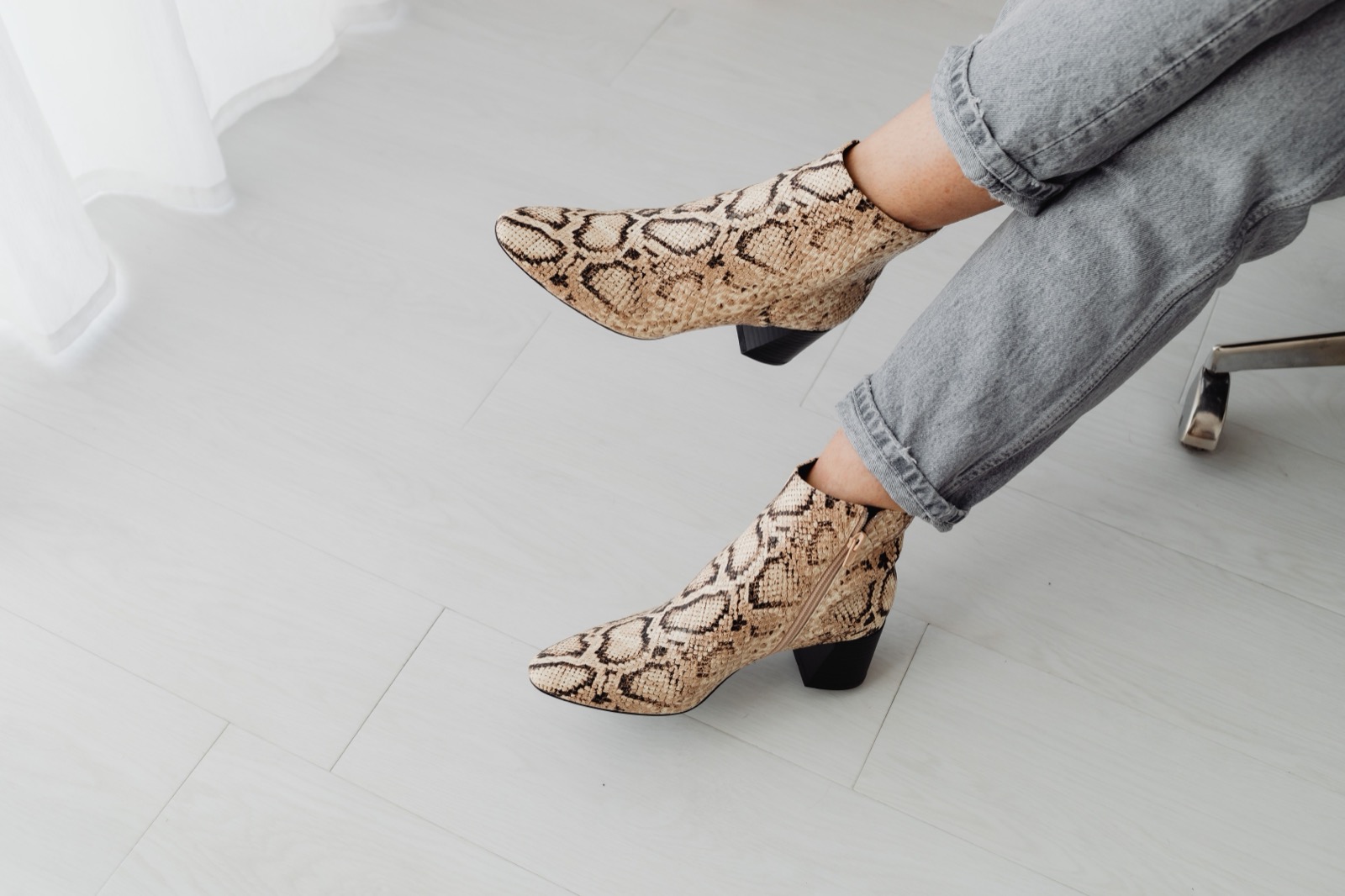
At & Other Stories, compare ankle and knee-high boots around the trousers and skirts you wear most. Check shaft measurements, heel height and outsole details on the individual product page before choosing.
OUR WRITERSSara TillaRead more from Sara Tilla on Bloom Club.
All stories by Sara Tilla ↗