 Shopping
A shoe wardrobe built around your actual plans
By Andrea Hills
A photograph of an interesting shoe in Paris can be a useful starting point.
 WORDS BYJohn BlosteOctober 21, 2026
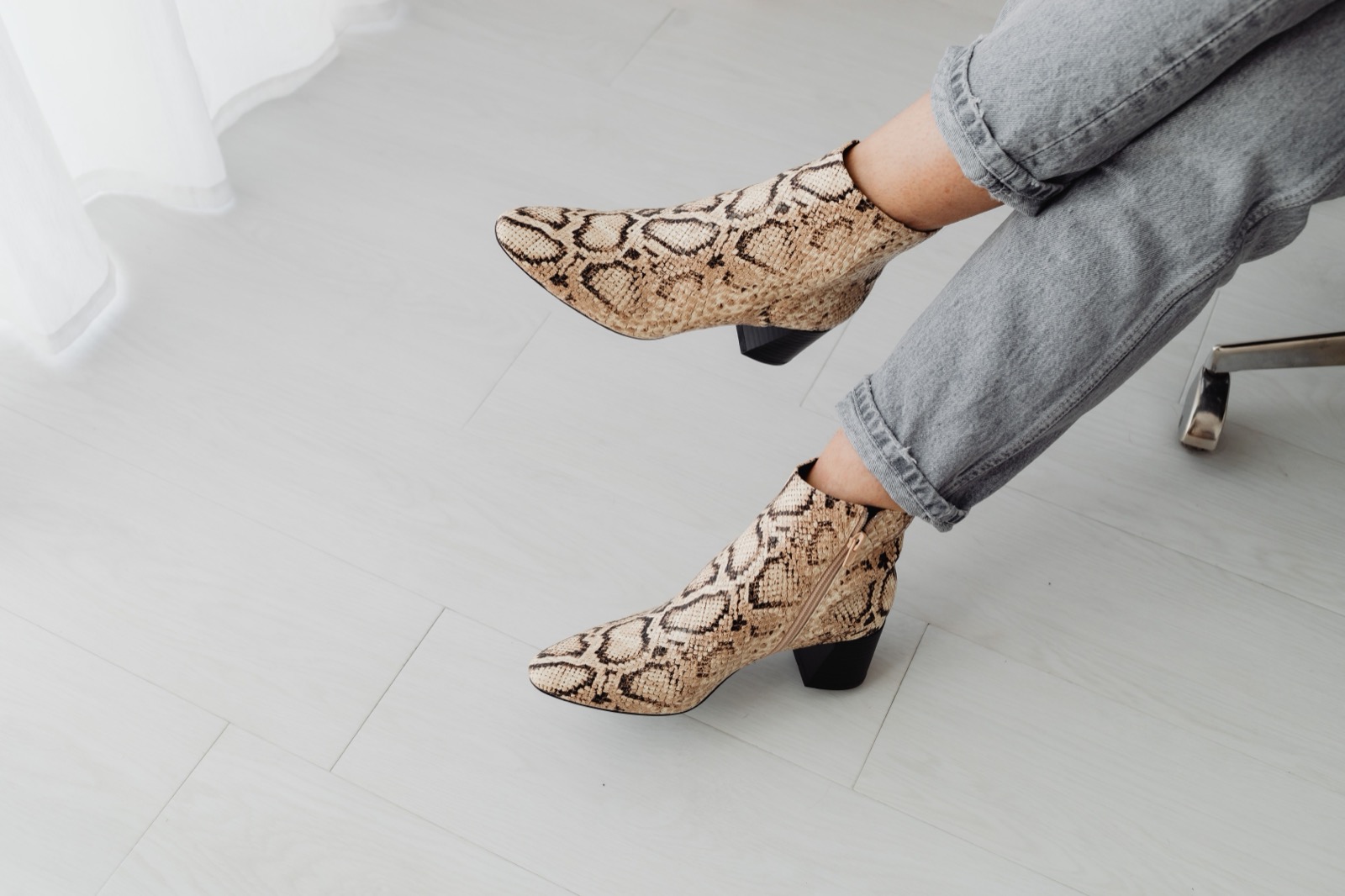
A photograph of an interesting shoe in Paris can be a useful starting point. It cannot tell you how far the wearer walked, whether the shoe was comfortable or what other footwear was waiting in a bag. That missing context matters. The most useful way to borrow from street style is to identify the design idea, then translate it into something that works for your own streets, schedule and wardrobe.
Who What Wear's Paris shoe coverage offers one view of the city's autumn fashion conversation. This guide is not an attempt to define what all French women wear. It is a way to read shoe inspiration more critically: separate the shape from the brand, the styling from the setting and the appealing image from the practical purchase decision that might follow it.
Look at the outline of the shoe. Is the toe rounded, squared or sharply pointed? Does the sole look light or substantial? Is the upper open or enclosed? Those features influence an outfit even when the brand is invisible. A narrow shoe can create a precise ending beneath wider trousers; a more substantial sole can make a soft dress feel grounded. You can explore those relationships without locating the exact item in a photograph.
Then look at the surrounding clothes. A shoe may seem especially interesting because of the trouser length, the visible sock or the contrast with a skirt. Remove that context mentally and ask whether you still like the design. Sometimes the inspiration is a styling relationship rather than a product. Recognising that can save you from buying a shoe that loses its appeal as soon as it meets your own wardrobe.
Think about a normal day in concrete terms. How much walking is involved? Are there stairs, wet pavements or long periods of standing? Do you change shoes at work? A photograph cannot answer these questions for you. Choose footwear that suits the route you actually take, and use the fashion reference to guide the outline or colour rather than to override practical requirements.
If a higher heel attracts you, ask whether a lower version preserves the part you like. If a delicate sole looks elegant, consider whether you need a more robust construction for daily use. This is not a compromise that makes the outfit less stylish. It is the translation that allows the idea to survive outside the image. A shoe becomes part of personal style through repeated wear, not through resemblance to somebody else's photograph.
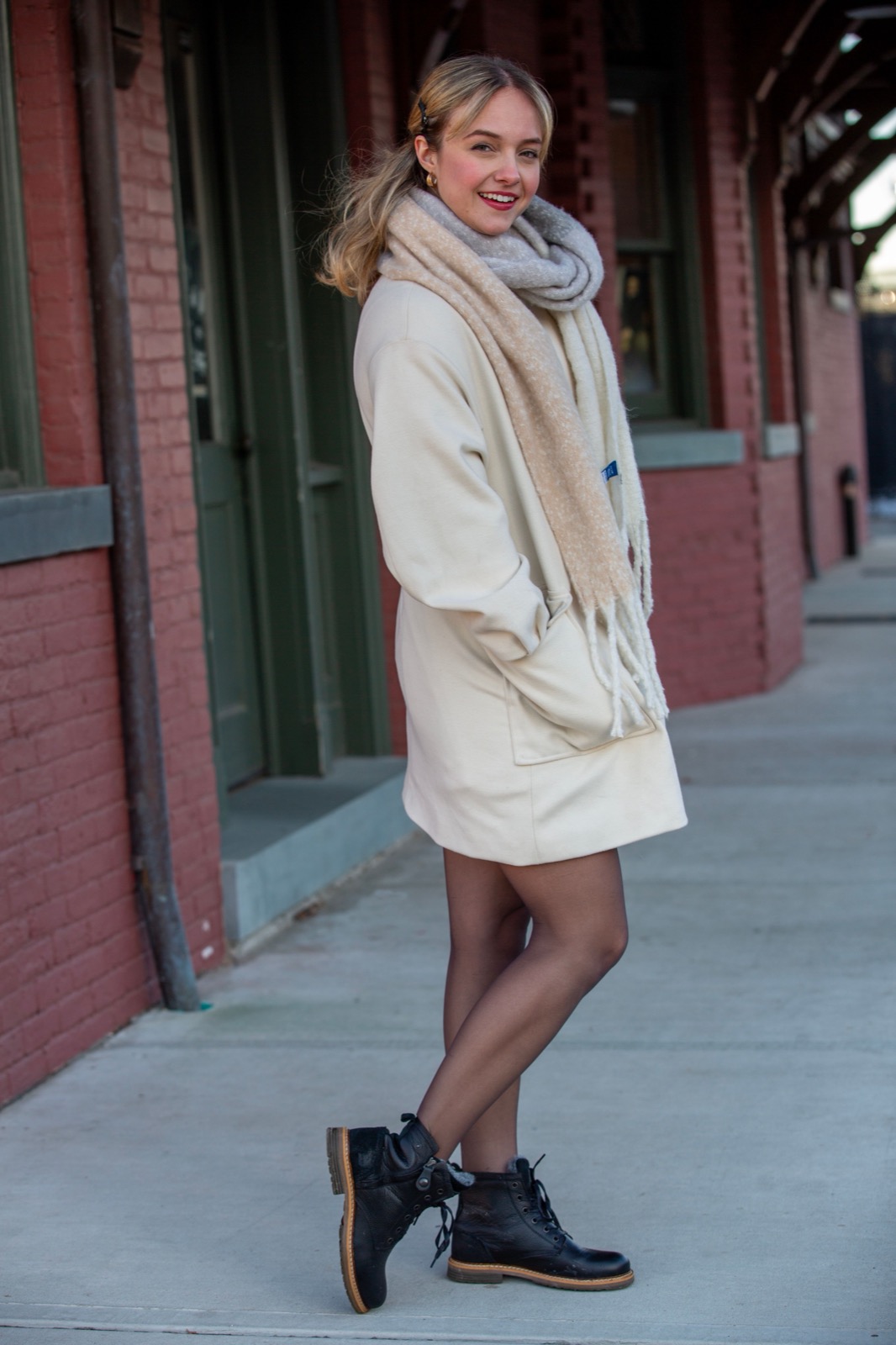
A long trouser can hide most of the upper, leaving the toe and sole to define the result. A cropped trouser exposes more of the shoe and ankle. A skirt makes the entire relationship between footwear and leg visible. Try the shoes with the hem you expect to wear most often. A pair that looks perfect with one trouser length may need a different arrangement with another.
Do not judge only while standing still. Walk, sit and turn. Check whether the trouser catches under the heel or whether the skirt's movement changes the balance. If the combination feels awkward, try a small adjustment to the hem before rejecting the shoe. Conversely, do not alter several favourite garments to accommodate a new pair unless you genuinely want that change across your wardrobe.
Before shopping, take a shoe you already wear and place it in a different outfit category. A loafer usually worn with tailoring might work with a relaxed skirt. A trainer reserved for jeans could make a simple dress feel more useful. A boot associated with weekends might give a plain working outfit a stronger outline. The experiment costs nothing and reveals how much of a shoe's identity comes from its usual companions.
Keep one part of the outfit familiar while changing another. If both the clothes and the footwear feel new to you, it becomes harder to identify what is working. Try the same trousers with two pairs of shoes and compare the difference. Then keep your preferred shoe and change the top. This deliberate sequence is more informative than assembling several completely different looks and hoping one produces a convincing photograph.
Try shoes with the socks or hosiery you intend to wear. Walk on the surface permitted by the retailer and pay attention to pressure, heel movement and the space around your toes. Do not assume that a painful pair will become ideal after an unspecified breaking-in period. Fit varies by design, and a beautiful outline does not tell you whether the shoe is suitable for your foot.
Check return conditions before wearing shoes outside. If you are ordering online, read the brand's sizing guidance and compare it with any measurements provided. Reviews may offer context, but another person's comfort is not a guarantee of yours. The final decision should come from the pair on your own feet. A slightly different design that you can use comfortably is often a better choice than the exact reference you cannot tolerate.
If your existing shoe shapes already work, a different colour may be the more useful experiment. A deep red, brown or cream can change the relationship with familiar clothes without requiring a new silhouette. Start by laying the colour beside the trousers and skirts you wear most. Consider your outerwear as well, because a shoe will often be seen with the same coat repeatedly during colder months.
Avoid buying a colour that needs a whole supporting cast. You do not have to match your bag exactly, but the shoe should connect to several outfits in a way you enjoy. If it works with only one imagined look, decide whether that limited role is worth the purchase. A special-occasion shoe can be a valid choice. It simply should not be mistaken for a versatile everyday solution.
Build a shortlist around functions rather than a ranking of fashionable names. You might need an everyday walking shoe, something more formal or a weather-appropriate boot. Identify the gap, then look for the design qualities that attracted you in the Paris reference. This keeps the search focused and prevents several appealing versions of the same role from entering the wardrobe at once.
The most interesting lesson from street style is rarely that everyone should own an identical object. It is that a small change in proportion or context can alter familiar clothes. Borrow that curiosity. Keep the practical standards that make a shoe usable for you. Paris can provide the spark, but the finished outfit should make sense on your own pavement, at your own pace, with the rest of your day still ahead.
WINTER WARDROBE
Compare these current collections with the shapes and layers you already wear.
For a base layer to wear under shirts or knitwear, start with UNIQLO’s HEATTECH range and compare the neckline and fabric weight with the clothes you already own.
At & Other Stories, compare ankle and knee-high boots around the trousers and skirts you wear most. Check shaft measurements, heel height and outsole details on the individual product page before choosing.
OUR WRITERSJohn BlosteRead more from John Bloste on Bloom Club.
All stories by John Bloste ↗